You can sell a vacant home in the Oklahoma City metro, but it helps to arrange the care of the house before arranging the first showing. Start with three things: someone responsible for checking the property, written insurance guidance for its actual occupancy, and an agreed way to handle access and problems. Then decide what preparation the home needs.
When you have already moved, an empty house can become one more thing to worry about from a distance. A simple plan makes the work easier to share. It also gives you a way to know what happened at the property without making a separate call for every small task.
Give each part of the care plan a name
Write down who will check the house, who will handle yard work, who may approve a repair and who should receive an urgent call. Include a backup for the person making visits. Agree on a visit schedule with your insurer and the people caring for the property; do not treat a general online checklist as a policy requirement.
A visit record can be brief: date, visible changes, work needed and who will follow up. Useful observations include a new stain under a sink, a door that will not latch, an unusual odor or a heating system that is not running as expected. Ask for a photo when it would explain the concern, while keeping private belongings and access details out of shared public material.
For example, if you have moved from Bethany and cannot easily return, arrange who can meet a plumber before a leak becomes an urgent scheduling problem. That is a planning example, not a reason to expect something to go wrong.
Check insurance and weather protection before leaving
Tell your insurance professional when you moved out, what remains in the house and how it will be used while listed. Ask what coverage applies, whether anything must change, and what notice or property-check requirements you need to follow. Keep the answer with the policy records.
The Oklahoma Insurance Department's consumer guidance identifies extended vacancy as a possible insurance concern and stresses reviewing the actual policy. Its example is not a promise that every policy gives the same number of covered days. Ask about your house before relying on an assumed grace period.
Utility decisions deserve the same care. Before disconnecting service, discuss the home's plumbing, heating and protection needs with the appropriate professional. Oklahoma State University Extension advises keeping a working heating system on and protecting vulnerable water lines during freezing weather. A plumber can help with a property-specific winterization plan. If a pipe freezes, contact a plumber; never use an open flame to thaw it.
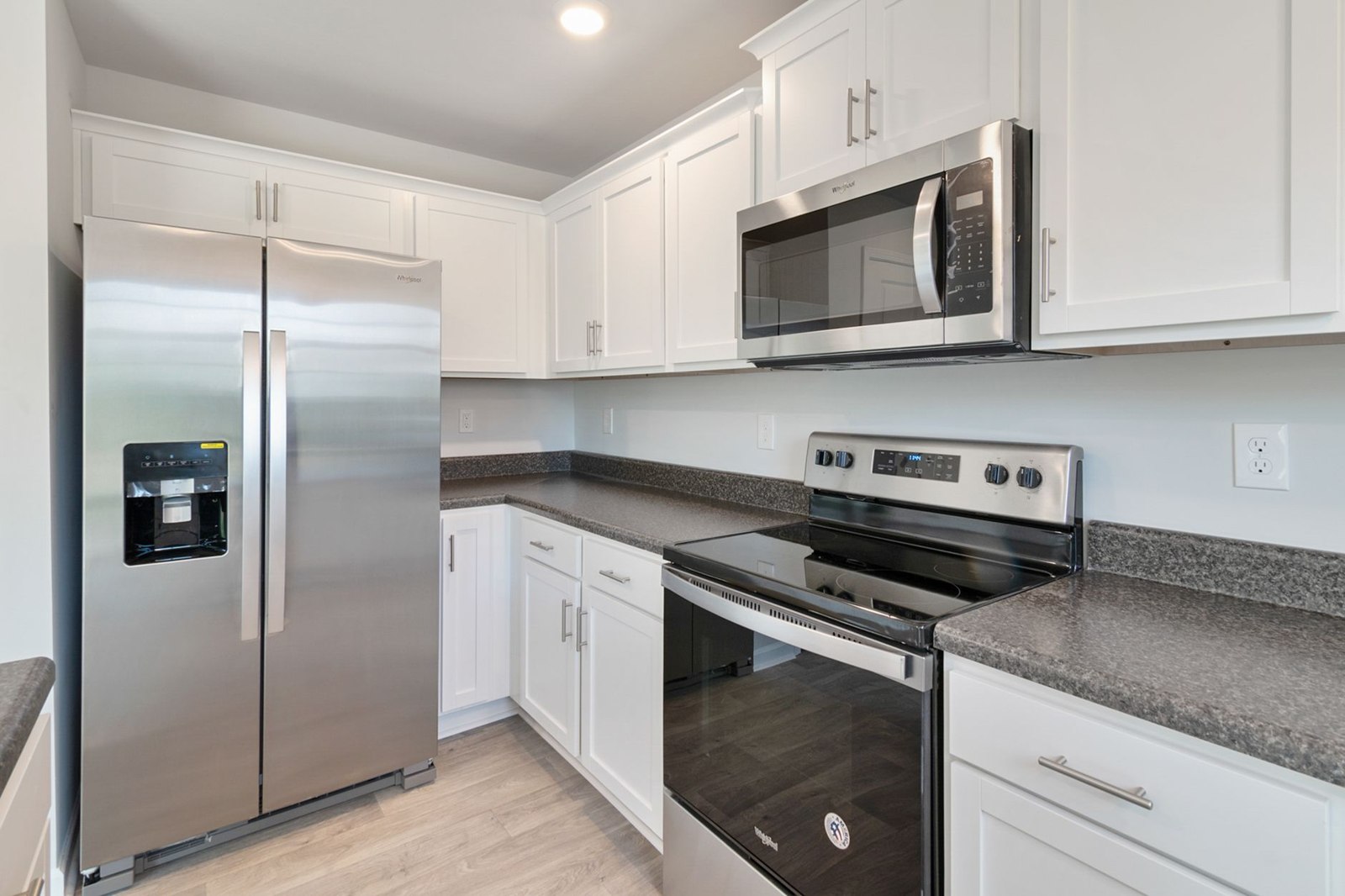
Prepare empty rooms without taking on every project
Walk through the house before ordering furniture or scheduling renovations. Separate work that needs professional evaluation from ordinary cleaning and optional presentation changes. A new water stain belongs on the evaluation list; it should not disappear under paint before you understand it.
The National Association of REALTORS' preparation guide identifies cleaning, gathering appliance records and considering repair costs as useful preparation. Staging is optional. Decide what would help a buyer understand the rooms, then ask for the scope and cost before committing.
An empty room may benefit from clear photographs, room measurements or a floor plan. You do not have to furnish the entire house to begin the conversation. Our manageable staging plan can help you sort presentation tasks, while the vacant-home care plan keeps the property looked after between visits.
Keep access orderly and condition information honest
Agree with your agent on how showings are requested, how contractors receive access and who checks that the house is secured afterward. Keep access codes out of public descriptions and photographs. Remove sensitive papers, medications and valuables that were left behind. Discuss alarms and cameras with your agent before showings begin.
Being empty does not automatically make a home eligible for a property-condition disclaimer. The Oklahoma Real Estate Commission's current disclaimer form distinguishes a seller who has never occupied the property, has no actual knowledge of defects and makes no condition disclosures from one who has occupied it or knows of a defect. Ask your agent or attorney which form or exemption applies to your circumstances.
If ownership or signing authority is uncertain, have the title professional or attorney resolve that before you commit to sale instructions. This guide does not determine who may sign for an estate, trust, co-owner or divorcing household.

Keep the plan going while the sale moves forward
Do not retire the care plan as soon as you accept an offer. Confirm who will continue visits and upkeep, who will arrange access for agreed appointments, and how new concerns will reach you. Follow the actual contract and closing instructions for utilities, keys and possession.
Keep receipts and reports for completed work. If a buyer asks about an appliance, leak or repair, use the records you have and say when you do not know. An empty house does not need a reassuring story made up to fill a gap.
Your next step can be small: list the people responsible for the house and make the insurance call. Our home-selling guide puts preparation alongside the wider sale. If you would like help sorting the local property work, talk with Doug and Ronnie about a plan that fits where you are now.