You can start getting your OKC metro home ready for photos without buying new furniture or turning every room upside down. Begin with a walkthrough, a manageable cleaning plan and a short list of things to put away. The aim is to help someone understand the rooms while keeping the house workable for you.
If you are still living there, that balance matters. A home prepared for sale also has to support ordinary mornings, meals and rest. Choose changes you can reasonably maintain, and ask for help with the parts that would be difficult to manage on your own.
Walk through before making a shopping list
Start where a visitor would arrive, then follow the route through the main rooms. Take a few ordinary phone pictures for your own review. Notice what catches your eye: a stack of mail, a chair blocking a doorway, a dark corner or something that needs attention. This is a planning exercise, not a criticism of how you live.
Make three small lists: put away, clean and discuss. Use the last list for repairs, heavy items or changes you are unsure about. Give each task an owner and a realistic day. For example, clearing a kitchen counter this evening may be manageable; moving a large cabinet may require someone else's help and a separate appointment.
The National Association of REALTORS' staging guide describes both consultations and hands-on staging. A consultation may be enough if you mainly need priorities. Before hiring anyone, ask what is included, who does the work and whether furniture rental, delivery or removal carries an additional charge.
Use the furniture you have with a purpose
Look at one room at a time. Can a visitor see how it functions? Is the route through it comfortable? You may be able to improve the arrangement by moving a small table or putting away an unused chair. Keep useful seating and the things you need for daily life.
Do not remove equipment, supports or furniture you rely on just to create a photograph. Tell your agent which items must stay in place so the photography and showing plan can work around them. If something is too heavy or awkward to move safely, leave it for appropriate help.
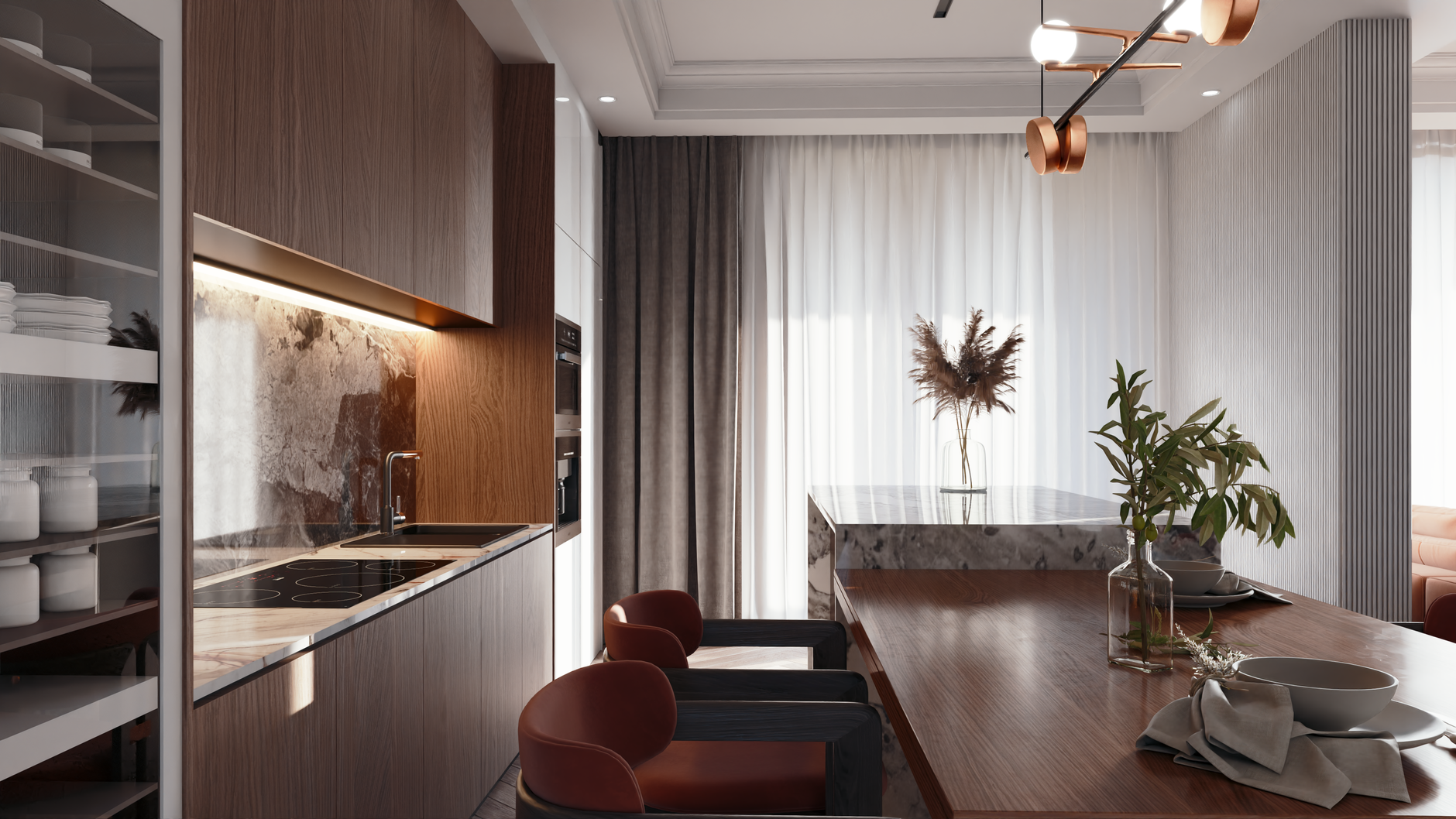
In an open kitchen and dining area, try reviewing both spaces from the doorway. A clear work surface and an orderly table can make the layout easier to understand without purchasing a matching set of accessories. Take another phone picture after the change and decide whether it actually helped.
Clean the details and discuss the condition honestly
Choose cleaning tasks that fit the house: windows, light fixtures, visible surfaces and the areas around appliances. The NAR preparation guide identifies cleaning and decluttering as practical options before showing a home. A list divided by room is easier to finish than an instruction to make everything perfect.
If there is an odor, stain or damaged area, put it on the discussion list. Ask what needs evaluation and who should handle it. Avoid spending money on a cosmetic solution before you understand the issue. Presentation should help buyers see the home clearly; it should not be used to conceal its condition.
Fresh paint may be useful in a particular room, but it is not an instruction to repaint the whole house. Discuss the surface, preparation, timing and cost before starting. The same applies to changing lights or cabinet hardware. Decide whether a task is necessary for this home rather than adding it because it appeared on a long internet checklist.
Keep personal belongings out of the public picture
Before photography, take a separate privacy pass. Put away visible mail, financial paperwork, medicines, personal photographs and valuables. Look at desks, refrigerator doors and bedside surfaces. Check computer screens and calendars for information you would not want included in a public image.
Keep needed items somewhere you can still reach them. A small daily-use basket can make it easier to put toiletries away before a showing and bring them back afterward. Use secure storage for sensitive belongings; moving them from a counter into an open box does not solve the privacy concern.
Walk through once more with the photographer or your agent before the session starts. Point out anything that should stay outside the frame. If an item shown in the house will not be included in the sale, discuss that early. Our guide to fixtures and what stays with a home explains why that deserves its own conversation.
Choose a stopping point you can live with
Set the preparation budget before choosing optional purchases. If you are considering a larger renovation, compare the specific scope, time and cost with listing the home in its present condition. Staging does not establish a sale price or guarantee a faster sale, and you do not need to make every room look newly built.
Finish with a simple routine for showing days: clear the surfaces you agreed to clear, secure personal items and follow the access plan you arranged with your agent. Ask for a plan that respects pets, work schedules and other practical needs. A repeatable routine is more useful than a one-day arrangement you cannot maintain.
Our guide to selling your OKC metro home puts preparation alongside the rest of the sale. If you would like a hand deciding where to begin, Doug and Ronnie can help you sort the priorities. Start with one room and a short list. You can make the next decision after that.