For a new-home design appointment, bring a short list of how you want each room to work, the finishes you want to compare and a spending limit you are comfortable keeping. Then ask which choices are still available for your particular home. You do not need to arrive with every color decided. You do need a way to separate what matters to your daily life from what simply looks lovely in the showroom.
The goal is to leave with choices you understand and a clear list of anything still unanswered. A little preparation can make room for the enjoyable part without asking you to make every decision on the spot.
Start with the rooms you will actually use
Walk through your current home with a notebook before looking for more inspiration pictures. What works well? What do you keep wishing were different? Write down the ordinary things: where shoes collect, where you prepare meals, where you charge devices and which cabinets are awkward to reach.
Turn those observations into questions for the design team. Instead of starting with a particular cabinet door, ask whether the available layout gives you the storage you need. If a room will be an office, bring the desk measurements and ask where the proposed outlets and lighting will be. Ask the builder which layout or electrical questions belong in a separate meeting.
Choose a few priorities before the appointment. A long wish list is useful for inspiration; a short priority list is easier to make decisions from. Include the furniture you plan to keep so the new finishes work with your belongings, too.
Find out which choices are still open
Start with your home’s construction stage, not another buyer’s experience. Ideal Homes describes its design-studio visit as part of the process after a contract and homesite selection. Homes by Taber explains that choices for a home already under construction may be limited by how far the build has progressed. Those are the builders’ descriptions of their own processes, not a timetable that applies to every OKC metro home.
Ask which rooms and products can still be changed, what the next decision deadline is and whether there is an opportunity to preview the available choices. If you are buying a home already underway, a shorter list of options may be perfectly workable. Knowing the boundaries early saves time comparing things that cannot be selected.
For the separate question of what your home’s price includes, use our model-home inclusions checklist. Keep that written specification beside your design notes.
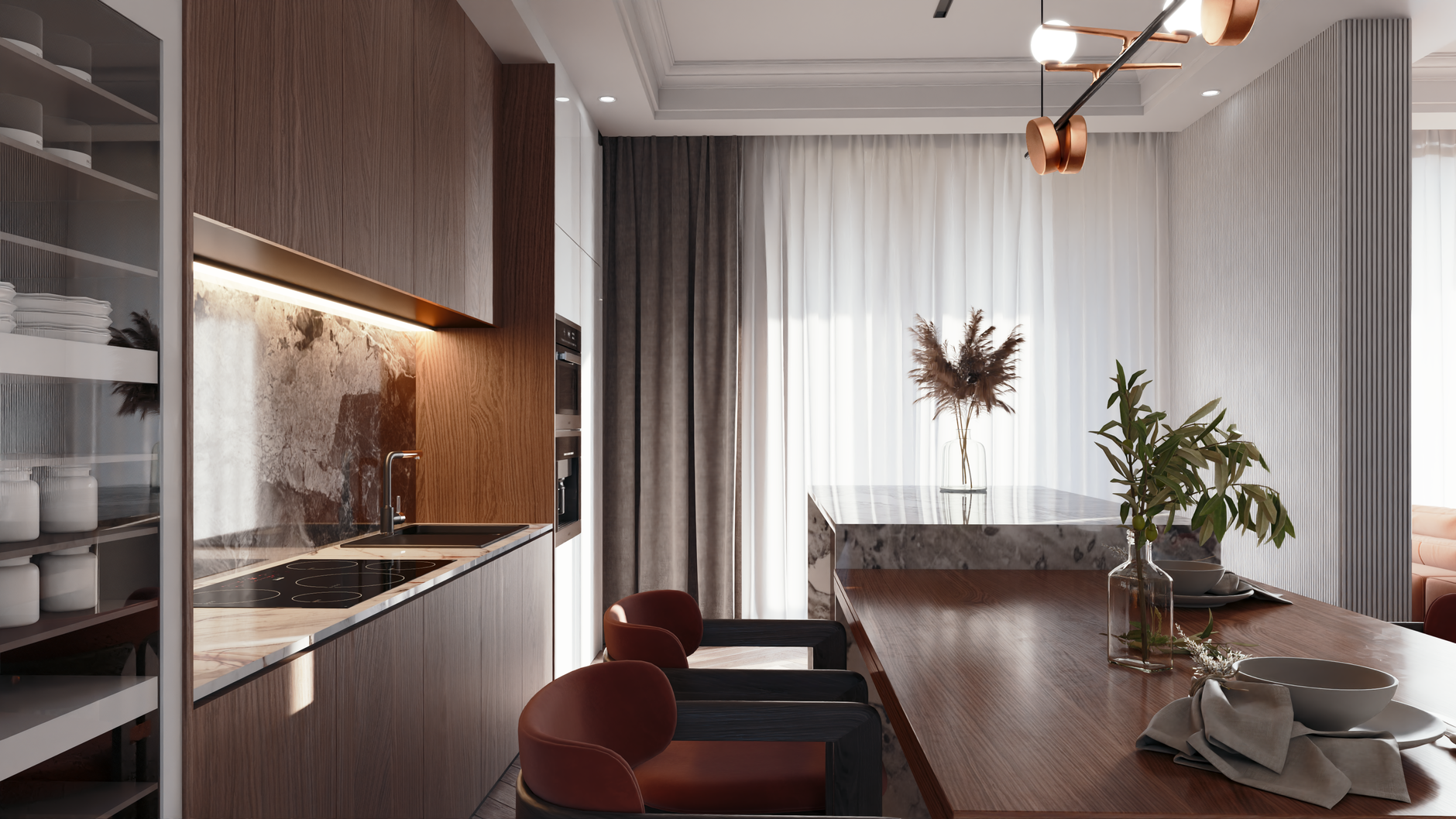
Look at the finishes together
Ask to place the cabinet, countertop, flooring and paint samples beside one another. Look at the whole combination before choosing a single favorite. A finish you love by itself may not be the one you prefer next to the furniture or flooring you are keeping.
Bring a small number of inspiration pictures and explain what you like about each. Is it the light color, the simple hardware, the amount of storage or the feeling of an open room? That gives the design team something more useful than a picture of an entire house to reproduce.
Ask whether you may photograph the samples and their labels together. Record the product name and finish, not just “the warm white one.” If the sample is small, ask whether there is an installed example or a larger sample to review. Ask for the manufacturer’s cleaning instructions before choosing a material that will see heavy daily use.
Choose your tradeoffs before adding upgrades
Make three columns: important now, welcome if the budget allows, and something to consider later. Ask the builder which proposed features must be decided during construction and which can reasonably wait. Do not assume a later change will be simple or inexpensive; get that question answered for the actual plan.
For each optional selection, write one sentence explaining why you want it. More convenient storage or a work surface you expect to use every day may matter more to you than a decorative feature. There is no universal ranking. This is about making the house comfortable for the life you expect to live in it.
Ask for the full price of your preferred combination before deciding. If the total is uncomfortable, return to your priorities and remove a lower-priority choice. You can like an upgrade and still decide it is not where you want the money to go.
Keep the appointment notes simple
Use one page or spreadsheet with these headings: room, proposed selection, reason, price to confirm, decision deadline and open question. Mark a choice as provisional until the builder confirms it through the required process. Keep unanswered questions visible rather than treating silence as agreement.
Our guide to new-home change orders and allowances covers the separate paperwork and cost questions. If the meaning of a contract term is unclear, ask an Oklahoma real estate attorney. A design conversation is not a substitute for understanding what you are signing.
Leave knowing what happens next
Before the meeting ends, repeat back the choices you believe you made. Ask who will send the final list, when you should expect it and whom to contact if something does not match your notes. Review that list while the appointment is still fresh.
If you are still comparing homes or communities, our OKC new-construction guide is a place to start. Ronnie and I can help you organize the questions before you visit. We will clarify our brokerage role for the specific property and agreements; do not assume a particular representation or payment arrangement. You can take this one room at a time. The best selection list is one you feel comfortable living with.