Before choosing construction-to-permanent financing for an Oklahoma home, identify whether the plan uses one closing or two, what triggers permanent financing, and what documentation or requalification the lender may require. A builder’s completion estimate does not answer those loan questions. Put the construction agreement, loan terms and conversion conditions on one calendar before borrowing or committing to a move-out date.
Fannie Mae’s construction-financing overview distinguishes one-closing and two-closing structures. Its rules apply to loans being delivered under that program; other lenders and products can differ. Ask your lender to name the actual program and explain the terms in your documents rather than relying on the phrase “construction loan.”
Identify which loan you are actually taking
In a single-closing structure, the borrower closes on construction and permanent financing together under documents that establish the permanent terms. In a two-closing structure, interim construction financing and the later permanent mortgage have separate closings and legal documents. Fannie Mae’s two-closing guide describes a new note for the permanent transaction.
Ask whether the lender is committing to the permanent phase now or expecting a separate later transaction. Record who owns the lot, what existing lot debt must be addressed, and which costs are included. A buyer purchasing a completed builder-owned spec home may have a different financing arrangement from an owner borrowing to construct a home on their own lot.
Read the conversion conditions before construction starts
The single-closing guide explains the conversion framework and circumstances involving modified terms, updated documents and requalification. “One closing” should not be read as “nothing else will be required.” Ask the lender to list the conditions applicable to your file and who supplies each item.

Create a checklist for completion evidence, final financing terms, any required appraisal update, title work and outstanding construction obligations. Have the lender distinguish a requirement for your loan from a general program description. If an answer depends on what changes during construction, record the trigger and the point at which the lender must review it again.
Compare payment phases, not just one quoted rate
Construction payments and permanent mortgage payments can be calculated differently. Ask for an explanation of interest charged on advances, any interest-only period, the permanent payment and any change at conversion. Keep taxes, insurance and other ownership costs visible even when they are outside a quoted payment.
The CFPB’s construction-loan disclosure guidance distinguishes separate construction disclosures from combined construction-permanent disclosures. Ask the lender to walk through the forms you will actually receive. Do not assume two disclosure sets automatically mean two closings, or that one combined presentation guarantees every future cost is fixed. The legal obligation and actual loan terms matter.
Put delays and cost changes into the cash plan
For an illustrative OKC metro custom build, suppose a materials delay pushes the expected completion beyond the household’s planned rental move-out. Ask the lender how a construction-period extension is handled, what it costs, and whether the delay changes a rate commitment or documentation requirement. Ask the builder separately what the construction contract says about timing.
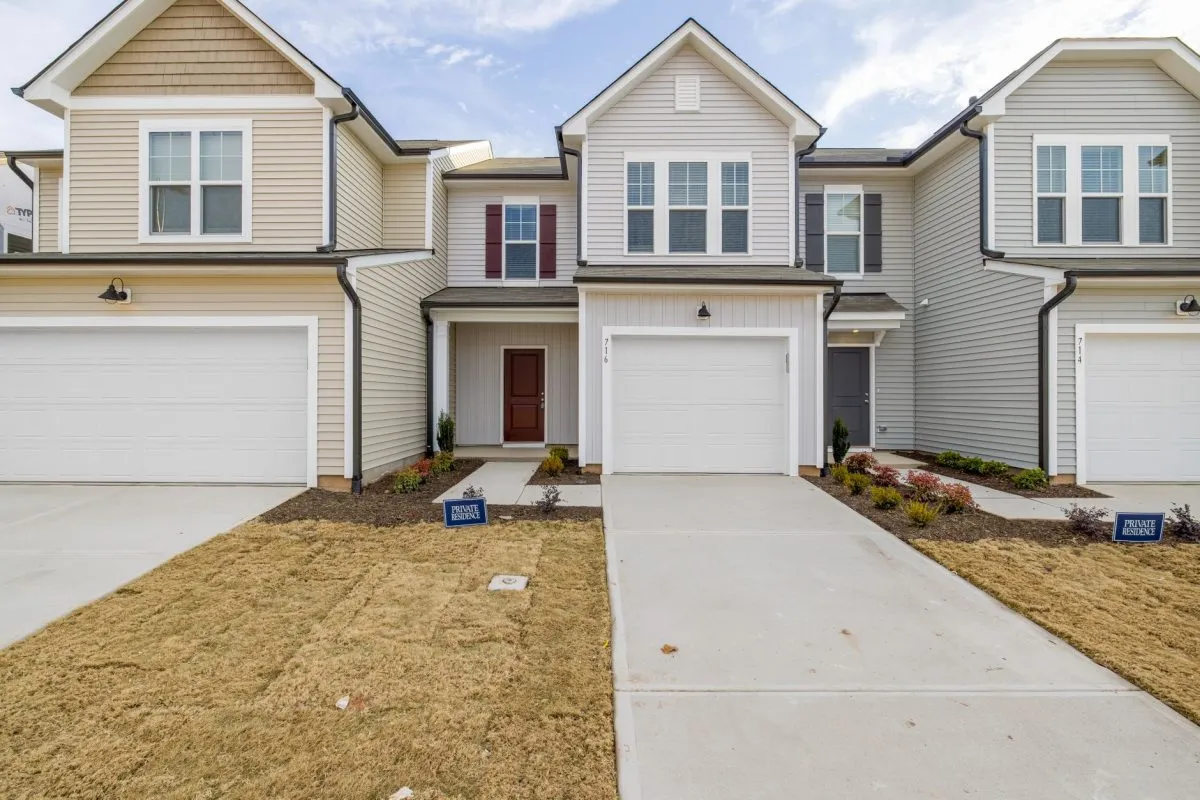
Likewise, do not approve an upgrade assuming the construction loan will automatically absorb it. Obtain the written price and schedule change, then ask the lender how it affects financing. Keep cash reserves for the scenarios you and your advisers identify. A general article cannot promise that an extension, larger loan or later approval will be available.
Reconcile completion with the property records
The lender’s financing conditions do not replace the applicable local permit and occupancy process. For an Oklahoma property, establish the governing jurisdiction from the actual parcel. Ask the builder and closing professionals to identify the relevant approvals and match them with the lender’s required completion evidence.
Fannie Mae’s overview also addresses completed and paid construction work and construction-related liens before delivery of the mortgage to Fannie Mae. That is a program requirement, not a do-it-yourself title determination. Have the lender and title professional explain the evidence they need and how an unpaid contractor, disputed invoice or unfinished item will be handled in your transaction.
Hold a conversion meeting before the deadline arrives
Bring the current contract, change orders, loan documents, payment schedule, completion checklist and unresolved questions. Assign responsibility for each missing item. Ask the lender for the next review date and the builder for an updated construction schedule, then compare both with your current housing obligations.
Save the final written answers with the closing file. Recheck if employment, income, project scope or financing terms change. OKC Metro Group can help coordinate the housing and transaction calendar with the professionals responsible for construction, financing and title. The useful outcome is a documented path from construction funding to the mortgage you expect to live with afterward.