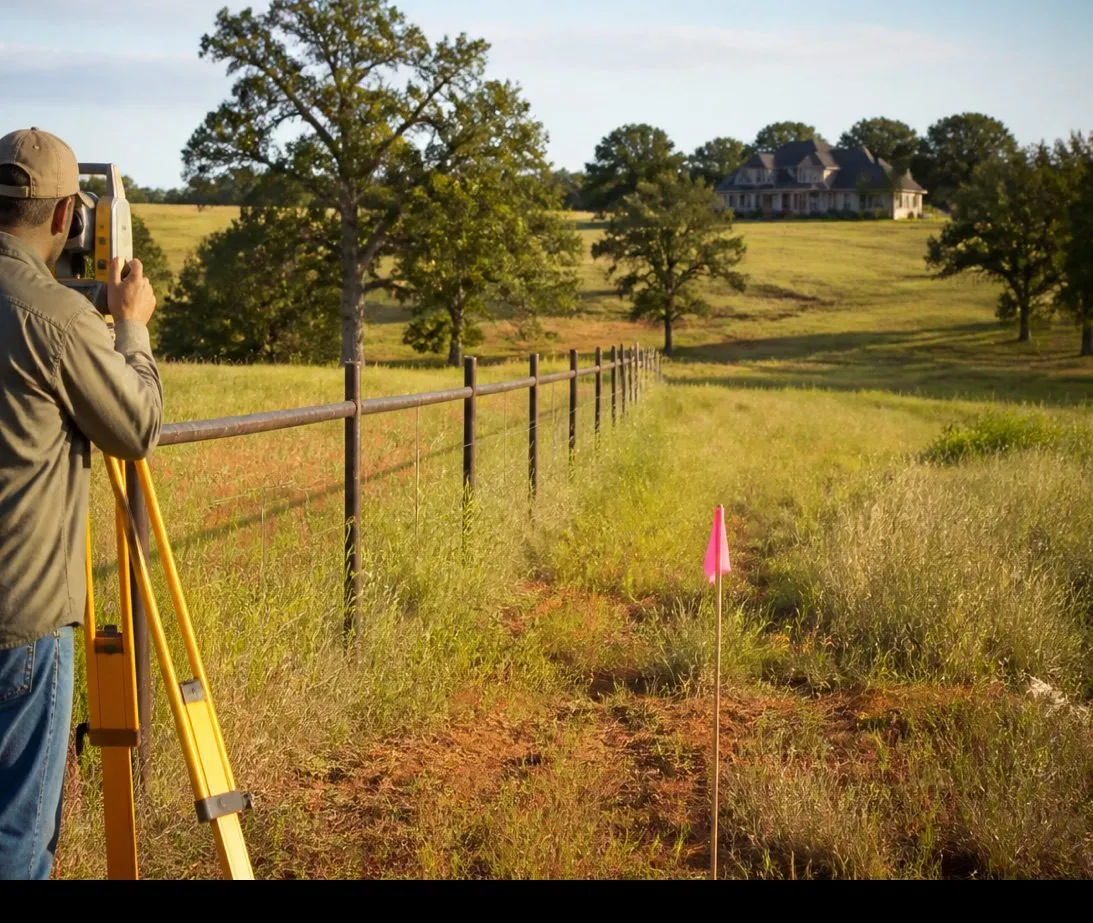
A visible strip of mowed or paved land is not enough to prove that an Oklahoma luxury acreage property has a usable, transferable private airstrip. Verify the FAA landing-area record, owner or manager information, operational status, title and easements, local land-use rules, physical condition, access, maintenance, insurance and the written contract before treating aviation access as part of the purchase.
What does an FAA record tell a buyer?
FAA airport and aeronautical-data systems can identify a reported landing area and its published characteristics. Part 157 uses Form 7480-1 for notice of construction, alteration, activation, deactivation and certain changes in airport status or use. A record helps establish what was reported to the FAA; it is not a title report, property inspection, land-use approval, safety guarantee or promise that the facility can support a particular aircraft.
Match the facility name, site coordinates, owner or manager, private-use status, runway description and effective dates to the property being considered. If the seller uses a different name or the coordinates point elsewhere, stop and reconcile the records before relying on the feature.
Which property records matter separately?
- The legal description and survey showing the strip, hangar, taxi access and property boundaries.
- Recorded easements, covenants, rights of way and any shared-use agreement.
- Title requirements or exceptions affecting access and aviation use.
- Local zoning, special-use, building, electrical, fuel-system and fire-code records.
- Hangar ownership, fixtures, doors, utilities, equipment and excluded personal property.
- Written maintenance, mowing, drainage, snow or debris, lighting and cost-sharing obligations.
- Insurance information for the residence, structures, liability and aviation-related use.
The 2026 Oklahoma farm, ranch and recreational contract treats land, improvements and appurtenances as contract subjects and expressly recognizes easements, rights of way and zoning. Use transaction-specific supplements when the standard form does not fully describe aviation facilities, operating rights, shared obligations or included equipment.
Does FAA notice equal local approval?
No. FAA notice is part of an airspace and aviation-safety process. It does not replace county or municipal land-use authority, building and trade permits, environmental requirements, private covenants or title rights. A buyer should obtain the applicable local records for the exact parcel and compare them with the FAA file.
Likewise, a private-use airport record does not create permission to use another owner’s land. If access crosses a neighboring parcel or a shared aviation community, read the recorded instrument, operating rules, guest limits, aircraft restrictions, assessments, insurance requirements and enforcement process.
How should the physical facility be reviewed?
Use qualified aviation and property professionals for the intended aircraft and use. Review runway surface, length, width, slope, drainage, obstructions, markings, lighting, approaches, winds, wildlife, fencing, fuel storage, hangar condition and emergency access. Compare the observed facility to the reported record without assuming that a published dimension remains physically accurate.
Doug and Ronnie’s practical rule for a specialty acreage feature is to make it survive three separate tests: the public record, the recorded property rights and the on-site condition. A feature that clears only one of those tests should not be priced or promised as though the whole package is confirmed.
What should the contract say?
Identify the landing area and hangar precisely. State which structures, equipment, lights, doors, remotes and maintenance items transfer. Tie inspections and document delivery to usable deadlines. If continued aviation use is essential, have appropriate legal, aviation, insurance and lending professionals help define the condition rather than relying on advertising language.
Which costs should be tested before the offer?
Build a property-specific budget for surface maintenance, mowing, drainage, lighting, hangar systems, access roads, insurance, inspections and any association or shared-facility charge. Ask who performs each task, how frequently it occurs and what records show recent work. A seller estimate is a starting point, not a verified operating budget. Lender and insurer treatment can also differ from ordinary residential property, so obtain written answers early enough to preserve contract options.
What if the public and property records disagree?
Do not try to solve a mismatch with a marketing description. Record the facility name, coordinates and reported status, then ask the owner, FAA contact, local jurisdiction, surveyor and title professionals to reconcile the difference within the contract period. Until the discrepancy is resolved, describe the feature narrowly as a physical improvement under review. Avoid representing it as active, approved, transferable or suitable for a particular aircraft.
A buyer’s next step
Start with our OKC luxury real estate guide. Then verify a private-road maintenance agreement and compare acreage boundary-survey options. For a property-specific record plan, ask Doug and Ronnie to organize an acreage due-diligence plan.